Die Solarbranche bleibt in Bewegung
Das Jahr 2026 bringt für die Photovoltaikbranche erneut Veränderungen. Für Solarteure bedeutet das: Wer sich rechtzeitig informiert und anpasst, sichert sich Wettbewerbsvorteile. Von neuen Modultechnologien über veränderte Rahmenbedingungen bis hin zu innovativen Montagelösungen – hier sind die wichtigsten Trends im Überblick.
Trend 1: Größere Module, höhere Leistung
Der Trend zu leistungsstärkeren Modulen setzt sich fort. Module mit über 500 Wp im Residential-Bereich werden zum Standard. Das hat direkte Auswirkungen auf die Installation:
- Weniger Module pro Anlage, aber höhere Ströme pro String
- Angepasste Kabelquerschnitte erforderlich
- Weniger Dachdurchführungen nötig, dafür mit mehr Kabeln pro Durchführung
Trend 2: Speicher als Standardkomponente
Batteriespeicher gehören 2026 praktisch zu jeder Neuinstallation. Für Solarteure bedeutet das zusätzliche Kompetenz in der Elektroinstallation und eine erweiterte Wertschöpfungskette. Die DC-seitige Verkabelung wird komplexer, was eine saubere Kabelführung durchs Dach noch wichtiger macht.
Trend 3: Effizienzsteigerung auf der Baustelle
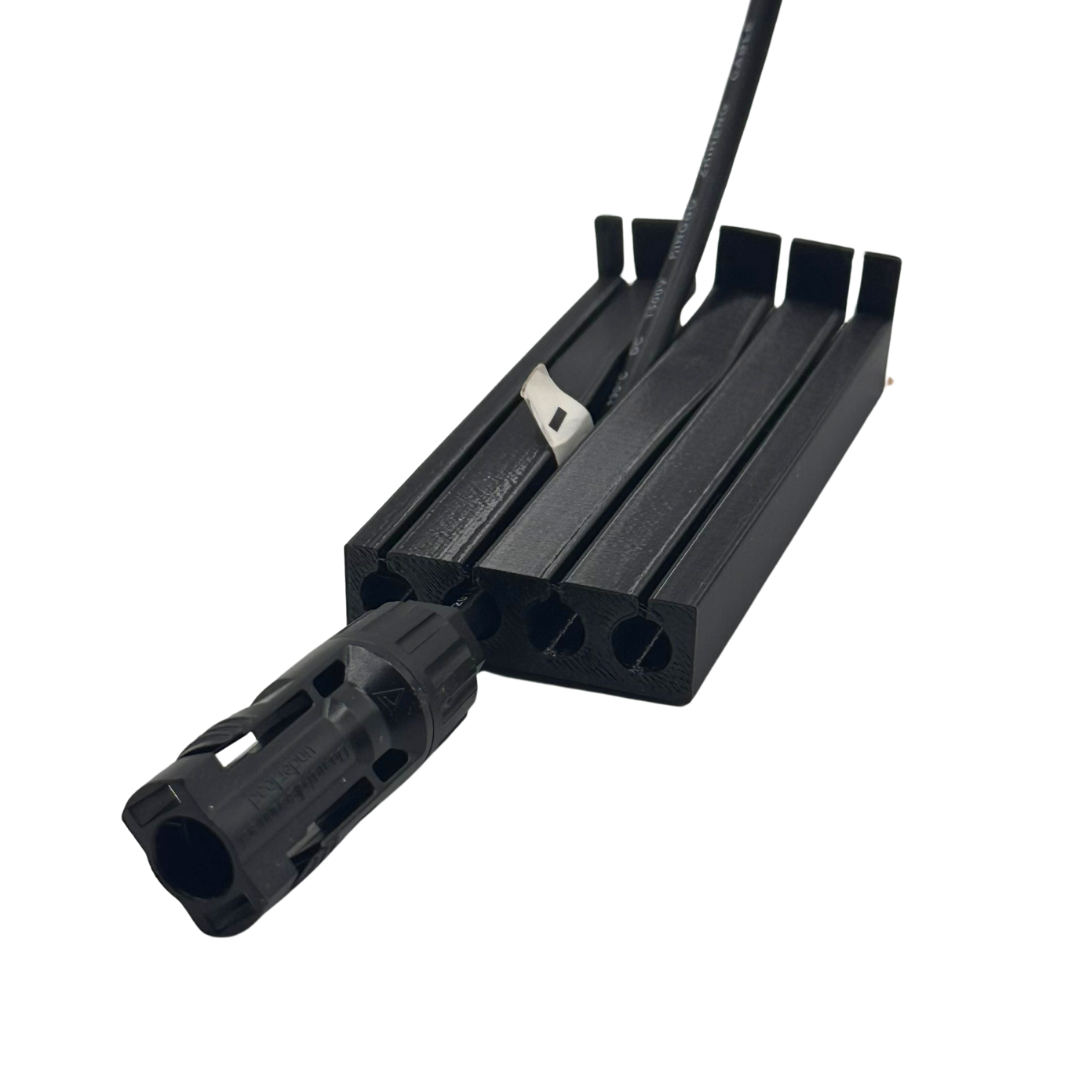
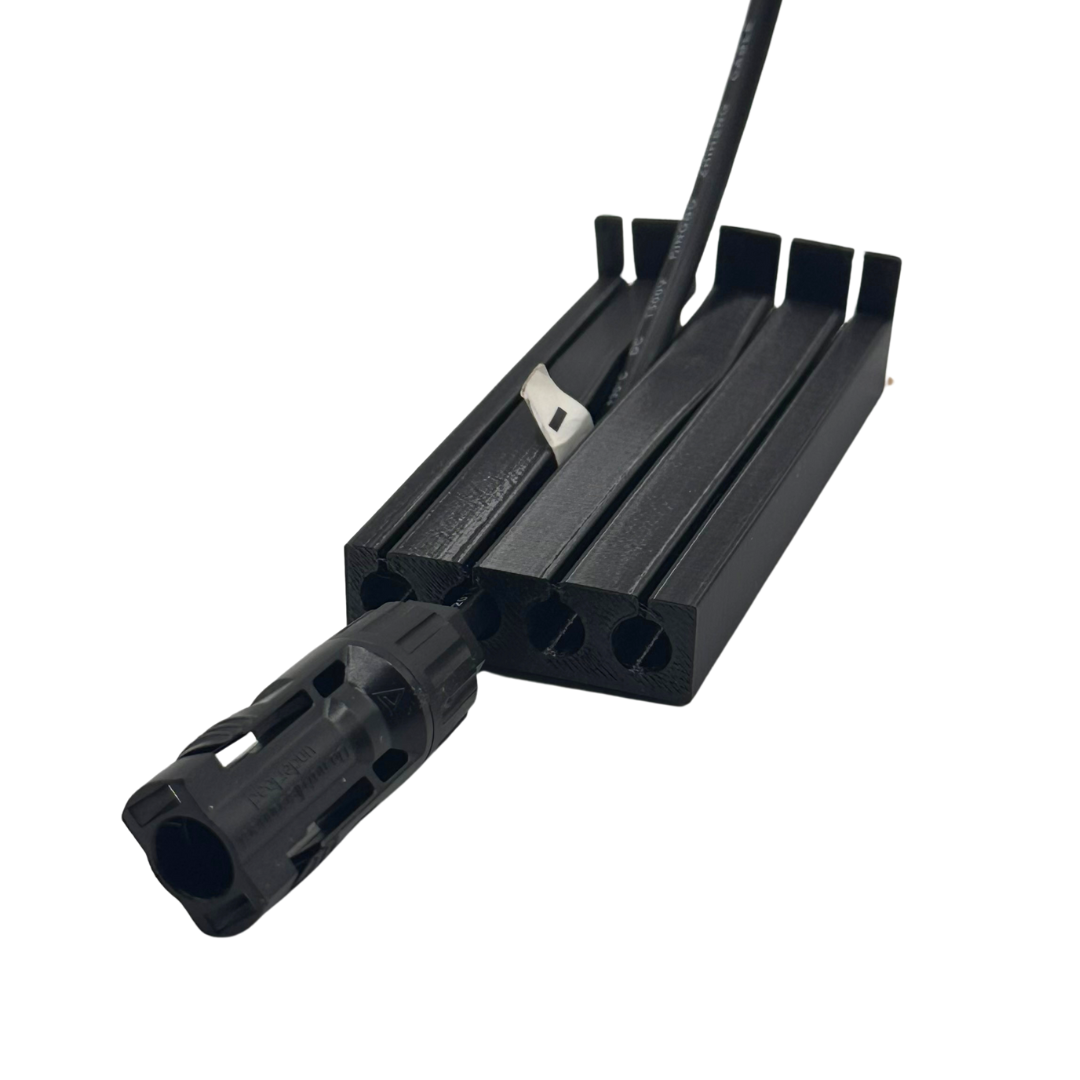
Angesichts des Fachkräftemangels und steigender Personalkosten rückt die Effizienz auf der Baustelle in den Fokus. Jede eingesparte Minute zählt. Produkte, die ohne Werkzeug montiert werden können, gewinnen an Bedeutung. Beispiel: NEXCAPE Dachdurchführungen aus TPU erfordern weder Werkzeug noch MC4-Demontage und sparen bis zu 25 Minuten pro Durchführung.
Trend 4: Qualitätsanspruch steigt
Endkunden werden anspruchsvoller. Sie vergleichen Angebote, lesen Bewertungen und achten auf Details. Eine professionell ausgeführte Dachdurchführung ist sichtbare Qualität, die Vertrauen schafft. Behelfslösungen mit Bauschaum oder Silikon gehören der Vergangenheit an.
Trend 5: Nachhaltigkeit in der Lieferkette
Made in Europe und kurze Lieferwege werden zunehmend zum Verkaufsargument. Auch Installateure achten vermehrt darauf, woher ihre Komponenten stammen. NEXCAPE Dachdurchführungen werden im 3D-Druck in Deutschland gefertigt – ohne lange Transportwege und mit flexibler Produktion ohne Überbestände.
Trend 6: Balkonkraftwerke als Einstieg
Der Boom bei Balkonkraftwerken bringt neue Kundengruppen in Kontakt mit Photovoltaik. Viele steigen anschließend auf eine vollwertige Dachanlage um. Für Solarteure bedeutet das zusätzliches Geschäftspotenzial durch Beratung und Nachrüstung.
Was bedeuten diese Trends für Ihre Materialwahl?
| Trend | Anforderung an Dachdurchführung |
| Größere Module | Varianten mit mehr Kabeldurchlässen (4 PV, 6 PV) |
| Speicherintegration | Zusätzliche Kabel erfordern flexible Lösungen |
| Effizienz auf der Baustelle | Werkzeuglose Montage, kein MC4-Ausbau |
| Qualitätsanspruch | Professionelle Optik, UV-beständiges Material |
| Nachhaltigkeit | Made in Germany, kurze Lieferketten |
Rüsten Sie Ihren Betrieb für 2026 – mit NEXCAPE Dachdurchführungen: PV-Dachdurchführungen ansehen