Scheuerstellen: Ein unterschätztes Brandrisiko
Wenn Photovoltaikkabel auf dem Dach an rauen Oberflächen reiben, entsteht mit der Zeit eine Scheuerstelle. Die Isolierung wird dünner, bis der blanke Leiter freiliegt. Bei DC-Spannungen von bis zu 1.000 Volt kann das zu Lichtbögen und im schlimmsten Fall zu einem Dachbrand führen. Für Solarteure ist die Vermeidung von Scheuerstellen daher keine Nebensache, sondern eine sicherheitsrelevante Pflicht.
Wo entstehen Scheuerstellen?
Die kritischen Punkte sind immer dort, wo Kabel auf harte oder scharfkantige Materialien treffen:
- Ziegelkanten: Besonders bei unbearbeiteten Tonziegeln mit rauer Oberfläche
- Blechverwahrungen: Dachrinnen, Kehlen und Anschlussbleche haben oft scharfe Kanten
- Montagegestell: Metallschienen und Klemmen können Kabel einschneiden
- Dachdurchführungen: Starre oder gebohrte Durchführungen erzeugen Reibungspunkte
- Kabelbinder: Zu eng angezogene Kabelbinder schneiden bei Temperaturschwankungen ein
Die physikalische Gefahr: Lichtbogen
Ein Lichtbogen entsteht, wenn ein Kabel beschädigt ist und der Stromfluss über eine Fehlstelle springt. Die dabei entstehenden Temperaturen können über 3.000 °C erreichen – genug, um Holz, Dämmmaterial und Dachpappe zu entzünden. Moderne Wechselrichter verfügen zwar teilweise über Lichtbogenerkennung (AFCI), diese bietet jedoch keinen vollständigen Schutz.
Prävention: Scheuerstellen von Anfang an vermeiden
Bei der Kabelverlegung
- Kabel mit ausreichend Abstand zu scharfen Kanten verlegen
- An unvermeidlichen Kontaktpunkten Schutzschläuche oder Kantenschutzprofile verwenden
- Kabel in regelmäßigen Abständen mit UV-beständigen Kabelhaltern fixieren
- Biegeradien gemäß Herstellerangaben einhalten – zu enge Radien schwächen die Isolierung
- Lose Kabellängen vermeiden, die im Wind flattern können
Bei der Dachdurchführung
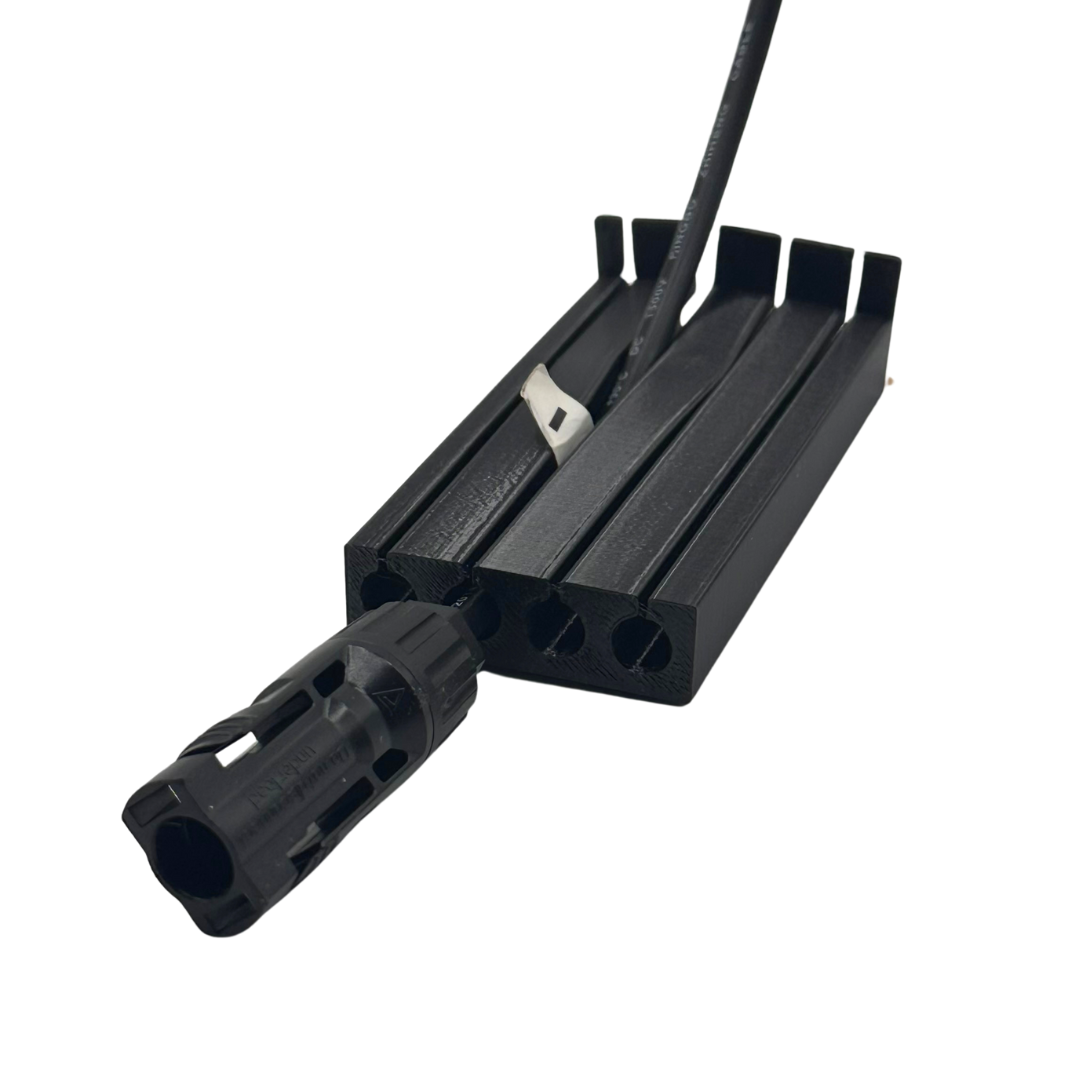
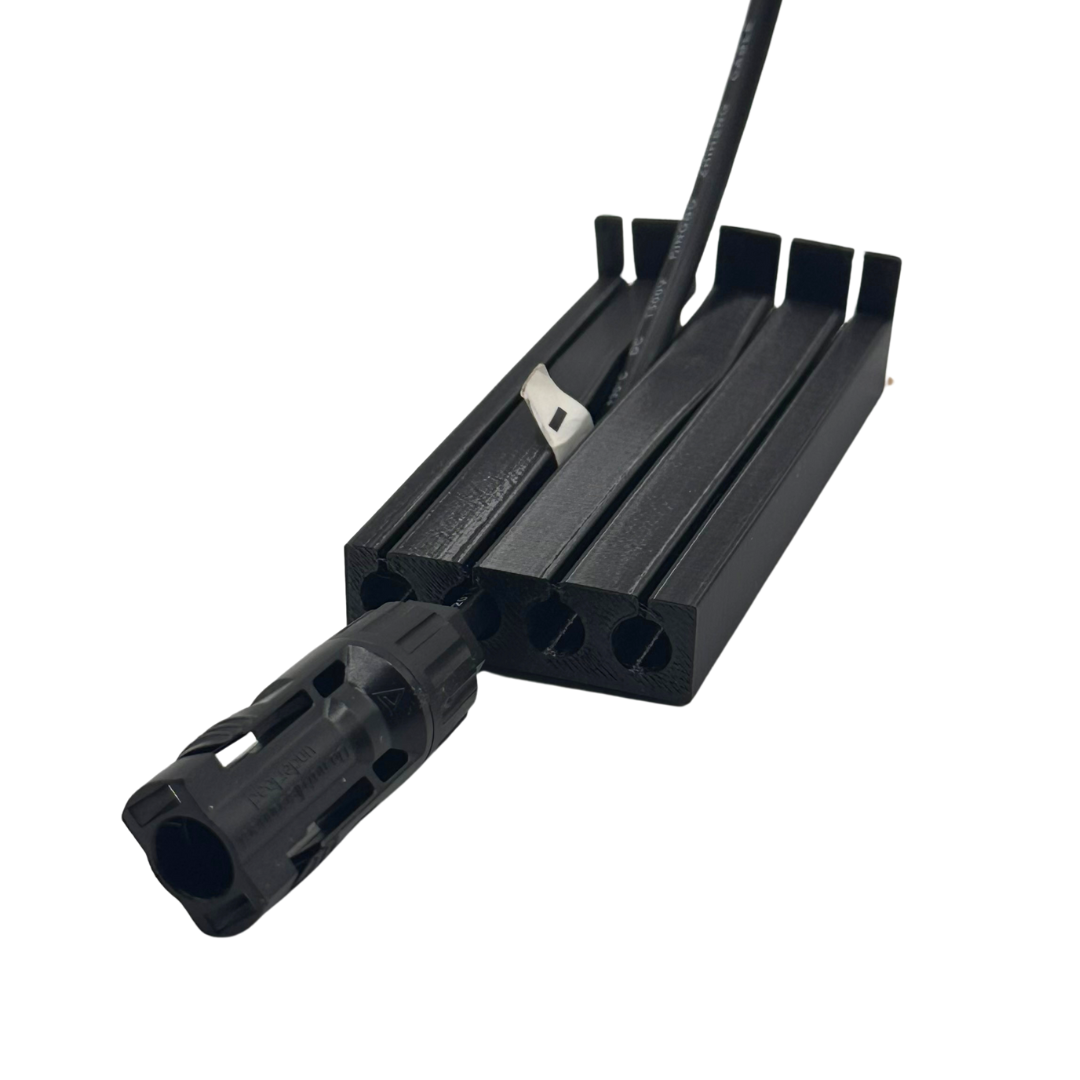
Gerade an der Dachdurchführung ist das Risiko für Scheuerstellen hoch. Konventionelle Lösungen mit gebohrten Ziegeln erzeugen scharfe Kanten direkt am Kabel. NEXCAPE Dachdurchführungen aus TPU (Thermoplastisches Polyurethan) eliminieren dieses Risiko:
- Kein Bohren nötig: Die werkzeuglose Montage erzeugt keine scharfen Kanten
- Flexibles Material: TPU gibt bei Bewegung nach, statt das Kabel abzureiben
- Glatte Kabelführung: Die Kabelkanäle sind produktionsbedingt glatt
- MC4-Stecker bleiben montiert: Kein unnötiges Hantieren, das die Kabel beansprucht
Regelmäßige Inspektion ist Pflicht
Die DIN VDE 0100-600 schreibt die Prüfung elektrischer Anlagen vor. Bei PV-Anlagen sollte eine Sichtkontrolle der Kabelführung mindestens alle zwei Jahre erfolgen. Besonderes Augenmerk gilt dabei:
- Verfärbungen oder Abrieb an der Kabelisolierung
- Gelöste Kabelbefestigungen
- Veränderungen an der Dachdurchführung
Brandschutz beginnt bei der richtigen Dachdurchführung: passende PV-Dachdurchführung finden