Flachdach und PV-Kabel: Eine unterschätzte Herausforderung
Während beim geneigten Ziegeldach die Kabeldurchführung ein bekannter Arbeitsschritt ist, stellt das Flachdach besondere Anforderungen. Das Dach liegt nahezu waagerecht — und trotzdem müssen PV-Kabel durchgeführt werden. Für Elektrobetriebe bedeutet das: sorgfältige Planung, richtiges Material und ein klares Verständnis der Schichtenfolge.
Welche Flachdachtypen gibt es?
Bitumendach
Das Bitumendach ist in Deutschland am weitesten verbreitet. Zwei übereinanderliegende Bitumenbahnen bilden die Abdichtungsebene. Kabeldurchführungen müssen in diese Ebene integriert werden — die Kompatibilität mit Bitumen muss geprüft werden.
EPDM-Foliendach
EPDM-Folie ist elastisch und witterungsbeständig, aber empfindlich gegenüber scharfen Kanten. Kabel benötigen zwingend mechanischen Schutz, der die Folie nicht beschädigt.
Kiesflachdach
Unter der Kiesschicht liegt meist eine Bitumenbahn oder EPDM-Folie. Kabel durch den Kies haben erhöhte Abrasionsgefahr durch scharfkantige Kieselsteine — robuster mechanischer Kabelschutz ist hier besonders wichtig.
Typische Abriebstellen am Flachdach
- Attikaoberkante: Kabel über den Dachrand scheuern an Beton- oder Blechkanten
- Wanddurchbrüche: Enge Betonskanten beschädigen die Kabelisolation
- Kiesbett: Reibung durch scharfkantige Kieselsteine
- Kabelschellen: Falsch dimensionierte Schellen drücken auf die Isolation
Normgerecht vorgehen
Für PV-Anlagen gilt die DIN VDE 0100-712. Für Flachdächer gilt zusätzlich DIN 18531 (Abdichtung von Dächern). Eine unsachgemäße Kabeldurchführung kann die Herstellergarantie auf das Abdichtungssystem erlöschen lassen — im Zweifelsfall den Dachdecker einbeziehen.
Praxistipps
- Kabelrouting vor Montage planen — Kanten und Scheuerpunkte identifizieren
- Kabeldurchmesser messen — Durchführungsgröße (105/125/150 mm) wählen
- An jeder Scheuerstelle mechanischen Kabelschutz einsetzen
- Kabelreserve einplanen — kein Zug auf die Durchführungen
- Abdichtung separat behandeln: Kabelschutz ≠ Dachabdichtung
Fazit
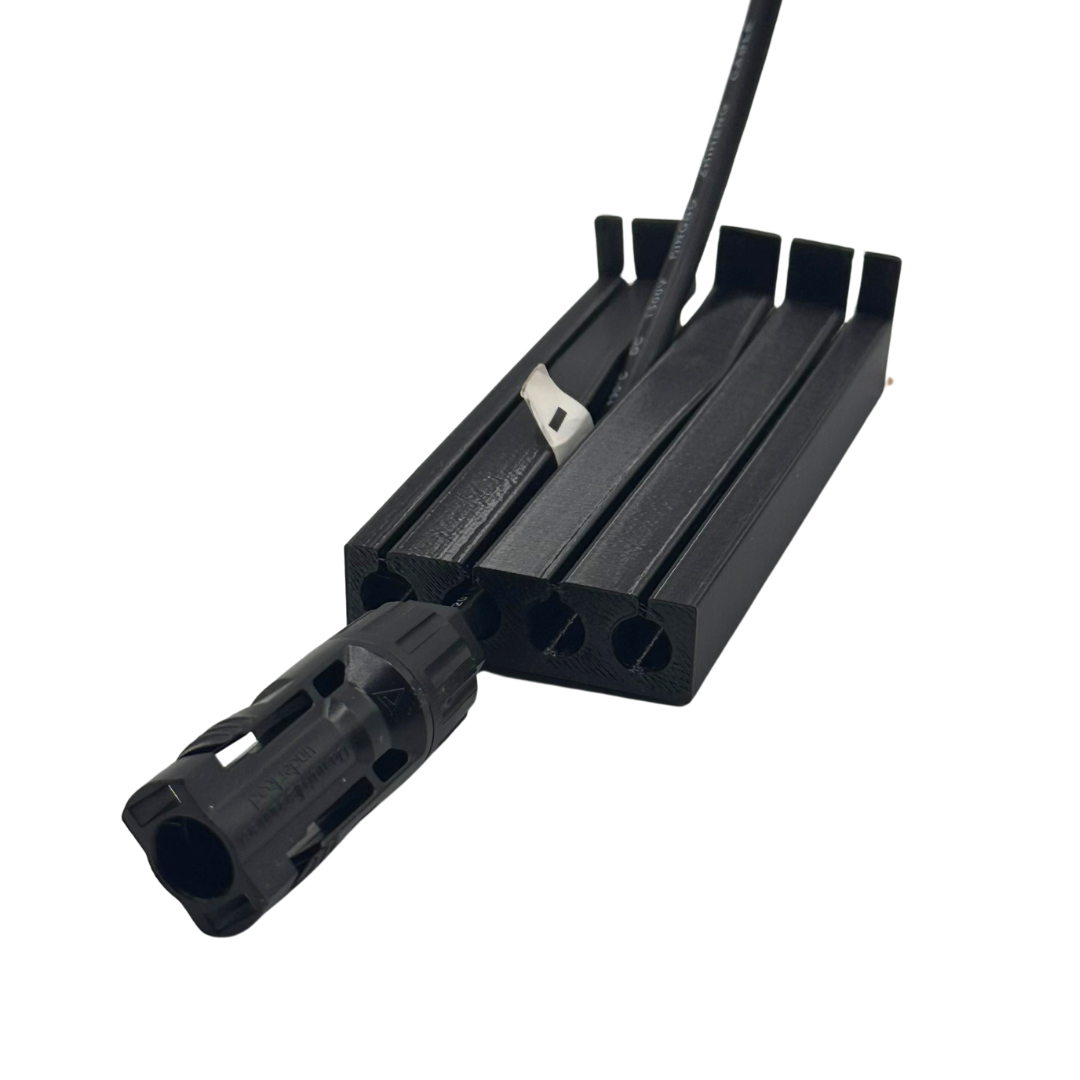
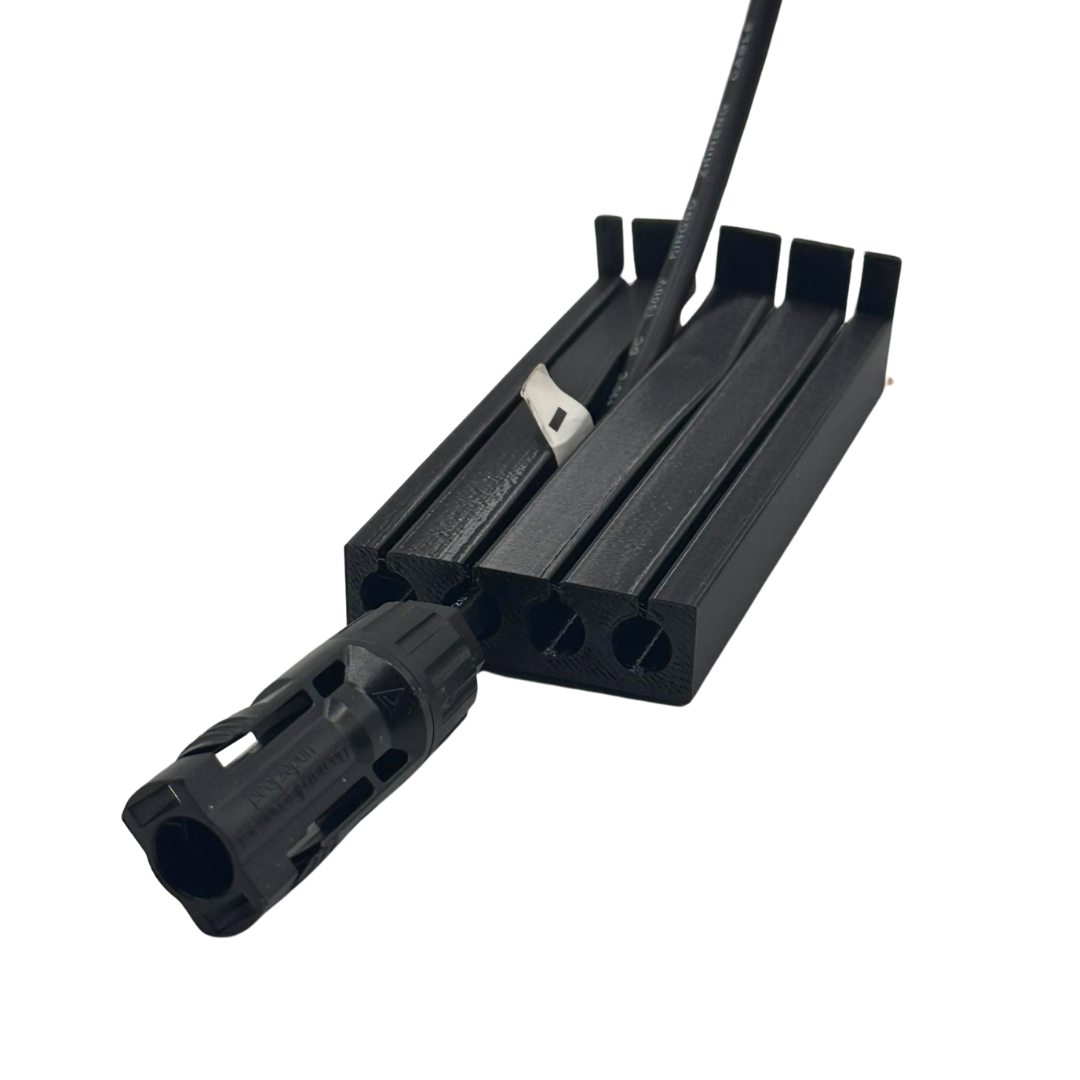
Mechanischer Kabelschutz ist am Flachdach mindestens genauso wichtig wie am Ziegeldach — oft noch relevanter. Unsere PV-Kabel-Dachdurchführungen (105 mm, 125 mm, 150 mm) sind abriebfest, UV-beständig und Made in Germany. B2B ab 20 Stück.
Die passenden PV-Kabel-Dachdurchführungen als mechanischen Abriebschutz finden Sie im D24-B2B-Shop (Mengenstaffel ab 20 Stück) – UV-beständiges TPU, Made in Germany.