Solarenergie vs. Denkmalschutz: Ein Spannungsfeld
Photovoltaik auf denkmalgeschützten Gebäuden ist ein Thema, das zunehmend an Relevanz gewinnt. Einerseits fordern Klimaziele und steigende Energiepreise den Ausbau erneuerbarer Energien. Andererseits schützt das Denkmalrecht das historische Erscheinungsbild von Gebäuden. Für Solarteure und Hauseigentümer bedeutet das: Es geht vieles – aber nicht alles, und nicht ohne Genehmigung.
Rechtliche Grundlagen
Denkmalschutz ist Ländersache. Die Denkmalschutzgesetze der Bundesländer regeln, welche Veränderungen an geschützten Gebäuden zulässig sind. Seit der Novelle des Gebäudeenergiegesetzes (GEG) und verschiedener Landesbauordnungen wird PV auf Denkmälern zunehmend erleichtert – eine Genehmigungspflicht besteht jedoch weiterhin.
- PV-Anlagen auf Denkmälern erfordern eine denkmalrechtliche Genehmigung
- Zuständig ist die untere Denkmalschutzbehörde
- Die Genehmigungschancen hängen vom Standort und der Sichtbarkeit ab
- Rückbaubare Installationen werden oft bevorzugt genehmigt
Was die Genehmigungschancen erhöht
Standortwahl
Anlagen auf der straßenabgewandten Dachseite haben bessere Chancen als solche auf der Schauseite. Auch Flachdächer hinter Attiken oder Innenhof-Dächer sind oft weniger problematisch.
Unauffällige Technik
Module in Dachziegelfarbe, In-Dach-Systeme und minimalinvasive Befestigungstechniken verbessern die Genehmigungsaussichten. Jedes sichtbare technische Element wird von der Behörde kritisch betrachtet.
Rückbaubarkeit
Installationen, die ohne dauerhafte Veränderung der Bausubstanz rückgebaut werden können, werden von Denkmalschutzbehörden bevorzugt. Das betrifft auch die Kabelführung und Dachdurchführungen.
Dachdurchführungen bei Denkmälern
Die Kabeldurchführung durch das Dach ist bei Denkmälern ein besonders sensibler Punkt. Aufgebohrte Ziegel oder großflächige Veränderungen an der Dachhaut sind oft nicht genehmigungsfähig. Gefragt sind minimalinvasive Lösungen, die das historische Deckbild nicht stören.
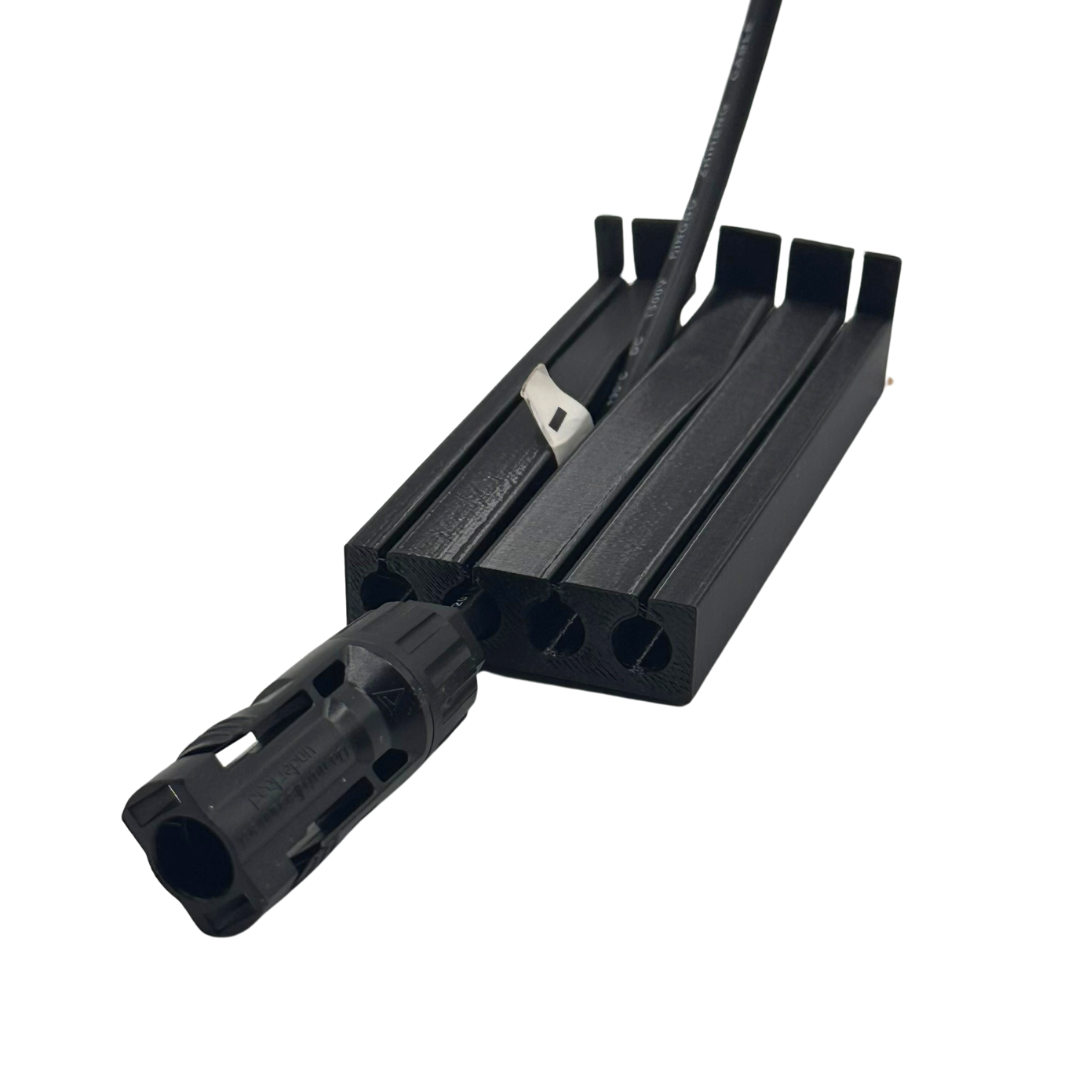
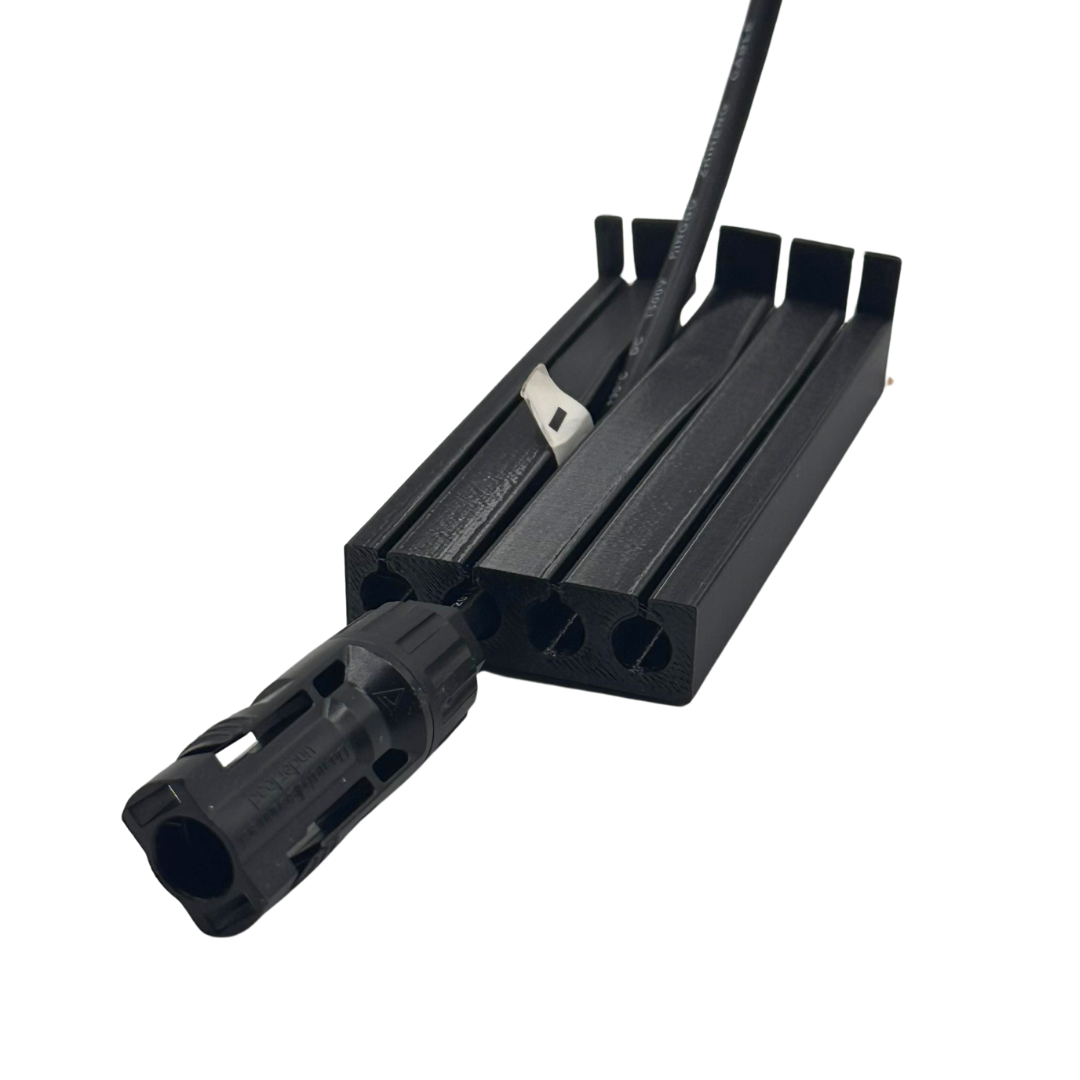
NEXCAPE Dachdurchführungen aus TPU bieten hier Vorteile: Sie ersetzen lediglich einen einzelnen Ziegel, erfordern kein Bohren oder Schneiden und sind bei Rückbau der Anlage vollständig entfernbar. Das flexible TPU-Material schmiegt sich an historische Ziegelprofile an, ohne die Dachstruktur zu verändern.
Empfehlung für Solarteure
Bei denkmalgeschützten Gebäuden empfiehlt sich eine frühzeitige Abstimmung mit der Behörde – idealerweise noch vor der Angebotsphase. Ein durchdachtes Konzept mit unauffälliger Technik und rückbaubarer Installation erhöht die Genehmigungschancen erheblich.
NEXCAPE Durchführungen in den Varianten 2, 4 und 6 PV-Kabel (optional mit PE) passen sich durch ihre Flexibilität auch an historische Ziegelformen an. Fertigung im 3D-Druck in Deutschland, UV-beständig und werkzeuglos montierbar.
Minimalinvasive Dachdurchführungen entdecken: zu den TPU-Dachdurchführungen für Solarkabel