Warum PV-Kabel mechanischen Schutz brauchen
Photovoltaikkabel gelten als robust — und das sind sie auch. Doch bei der Verlegung über oder durch Ziegeldächer stoßen selbst hochwertige Kabel an ihre Grenzen. Der Feind heißt Abrieb. Jeder Dachziegel hat scharfe Kanten, raue Oberflächen und Mikrorisse. Sobald das Kabel aufliegt oder durch eine Dachdurchführung gezogen wird, entsteht Reibung — beim Einzug, bei Windbewegungen, bei Temperaturausdehnung über Jahrzehnte.
Das Ergebnis: Die Außenisolierung schleift sich durch. Was danach kommt, ist kein Bagatellschaden mehr.
Was passiert ohne Abriebschutz?
Beschädigte Kabelisolierung an PV-Anlagen ist kein rein optisches Problem. Die Folgen können gravierend sein:
- Lichtbögen: Beschädigte DC-Leitungen können Lichtbögen erzeugen — eine der häufigsten Brandursachen bei PV-Anlagen. DC-Lichtbögen erlöschen im Gegensatz zu AC-Lichtbögen nicht selbst.
- Isolationsfehler: Feuchtigkeit dringt in die beschädigte Isolierung ein. Der Isolationswiderstand sinkt, die Anlage wirft Fehlermeldungen — oder löst gar nicht aus.
- Versicherungsausschluss: Viele Gebäudeversicherungen schließen Schäden durch mangelhafte Kabelverlegung explizit aus. Ohne dokumentierten Kabelschutz kann das im Schadensfall zum Problem werden.
- Gewährleistungsrisiko: Für den Installationsbetrieb bedeutet eine beschädigte Leitung im Nachhinein: Haftung, Rückruf, Nacharbeit.
Der kritische Punkt: die Dachdurchführung
Besonders gefährdet sind Kabel an der Stelle, wo sie das Dach durchqueren. Hier liegt das Kabel an der Kante des Ziegels an — oft unter mechanischer Spannung durch Zugentlastung und Kabelgewicht. Selbst wenn das Kabel initial sauber sitzt, verändert Temperaturwechsel über die Jahreszeiten die Position geringfügig. Diese kleinen Bewegungen summieren sich über die Betriebsdauer der Anlage — typisch 20 bis 30 Jahre.
Ein Kabel, das täglich wenige Zehntel Millimeter hin- und herbewegt wird, verliert ohne Schutz in wenigen Jahren seine Isolierung an der Auflagestelle.
Was guten Abriebschutz ausmacht
Nicht jeder Kabelschutz ist gleich. Bei der Auswahl kommt es auf die richtigen Materialeigenschaften an:
- TPU (Thermoplastisches Polyurethan): Deutlich abriebfester als PVC oder PE. TPU widersteht dem mechanischen Verschleiß durch Ziegelflächen langfristig und bleibt auch bei Kälte flexibel.
- UV-Beständigkeit: Dachmontage bedeutet permanente Sonneneinstrahlung. Kabelschutz ohne UV-Stabilisierung versprödet innerhalb weniger Jahre.
- Temperaturbeständigkeit: Auf dunklen Dächern im Sommer können Oberflächentemperaturen von 80 °C und mehr erreicht werden. Der Schutz muss das dauerhaft aushalten.
- Passgenauigkeit: Der Schutz muss zum Kabeldurchmesser passen — zu groß bedeutet Spiel und damit erneut Reibung, zu eng erhöht den Zugwiderstand beim Einzug.
Abriebschutz in der Praxis: Was Elektrobetriebe nutzen
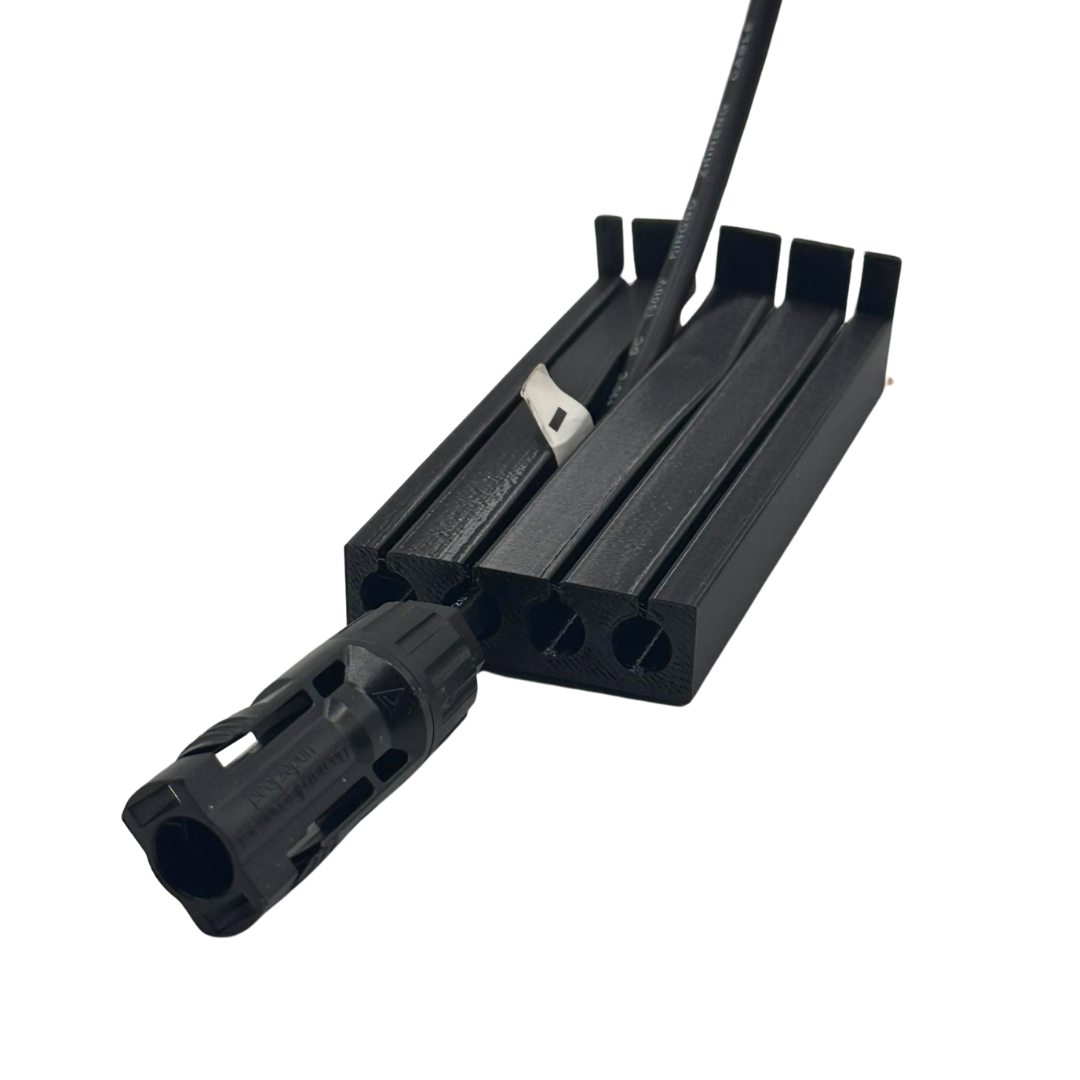
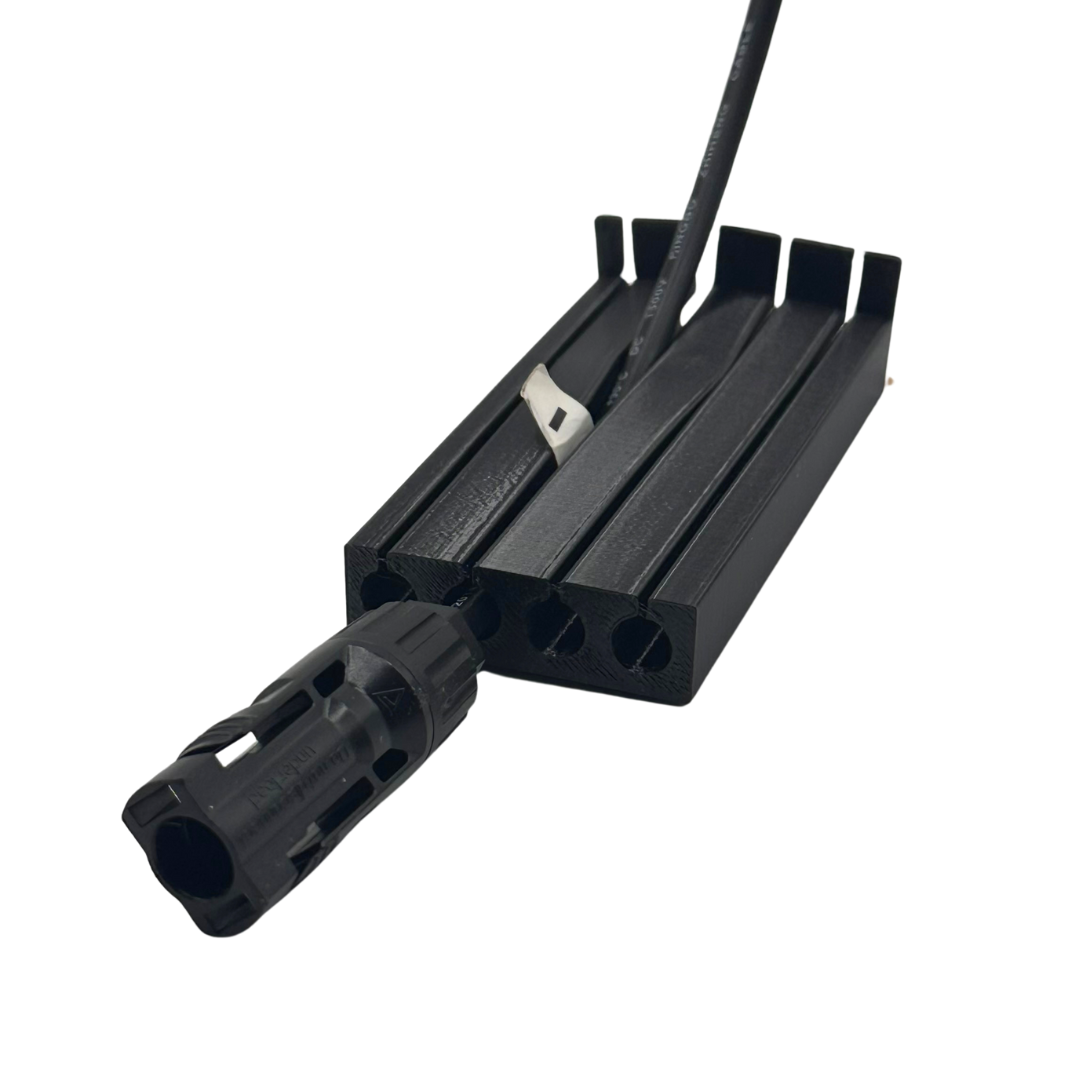
Professionelle Installationsbetriebe setzen auf Kabeldurchführungen mit integrierter Schutzmanschette aus TPU. Diese übernehmen zwei Funktionen gleichzeitig: Sie führen das Kabel dicht durch den Ziegel und schützen es mechanisch an der kritischen Auflagestelle.
Gegenüber nachträglich aufgezogenen Schutzschläuchen hat eine integrierte Lösung klare Vorteile: keine offenen Enden, kein Verrutschen, saubere Optik für die Dokumentation.
Bei Projekten mit mehreren Strings oder umfangreichem Kabelmanagement empfiehlt sich die Bestellung im Paket — ab 20 Stück sind Mengenrabatte und konstante Lagerqualität gewährleistet.
Fazit
Mechanischer Abriebschutz ist kein optionales Extra, sondern Teil einer fachgerechten PV-Installation. Die Alternative — abgeriebene Isolierung, Lichtbogenrisiko, Haftungsfragen — ist für professionelle Betriebe keine akzeptable Option. Wer seine Installationen langfristig sichern will, plant den Kabelschutz von Anfang an mit ein.
Dachdurchführung24 liefert Kabeldurchführungen mit integriertem TPU-Abriebschutz im B2B-Großhandel. Jetzt Sortiment ansehen und Mengenrabatt anfragen.
Die passenden PV-Kabel-Dachdurchführungen als mechanischen Abriebschutz finden Sie im D24-B2B-Shop (Mengenstaffel ab 20 Stück) – UV-beständiges TPU, Made in Germany.