Zwei Lösungen, ein Ziel: Kabel sicher durchs Dach führen
Bei der Installation einer Photovoltaikanlage müssen die DC-Kabel vom Dach ins Gebäudeinnere geführt werden. Dafür gibt es im Wesentlichen zwei Ansätze: die klassische Dichtungsmanschette und die speziell für PV-Kabel entwickelte Dachdurchführung. Beide haben ihre Berechtigung – doch die Unterschiede in der Praxis sind erheblich.
Die klassische Dichtungsmanschette
Dichtungsmanschetten aus EPDM oder Silikon werden seit Jahrzehnten für Rohrdurchführungen verwendet. Für PV-Kabel werden sie häufig zweckentfremdet:
- Universell einsetzbar für verschiedene Durchmesser
- In Baumärkten und beim Großhändler verfügbar
- Relativ günstig in der Anschaffung
Allerdings bringen Dichtungsmanschetten bei der PV-Montage auch Nachteile mit sich:
- MC4-Stecker müssen vor der Durchführung demontiert und danach wieder montiert werden
- Nur ein Kabel pro Manschette – mehrere Kabel erfordern mehrere Durchführungen
- Zusätzlicher Ziegel muss oft aufgebohrt oder bearbeitet werden
- Keine spezifische Anpassung an Ziegelformen
Die PV-spezifische Dachdurchführung
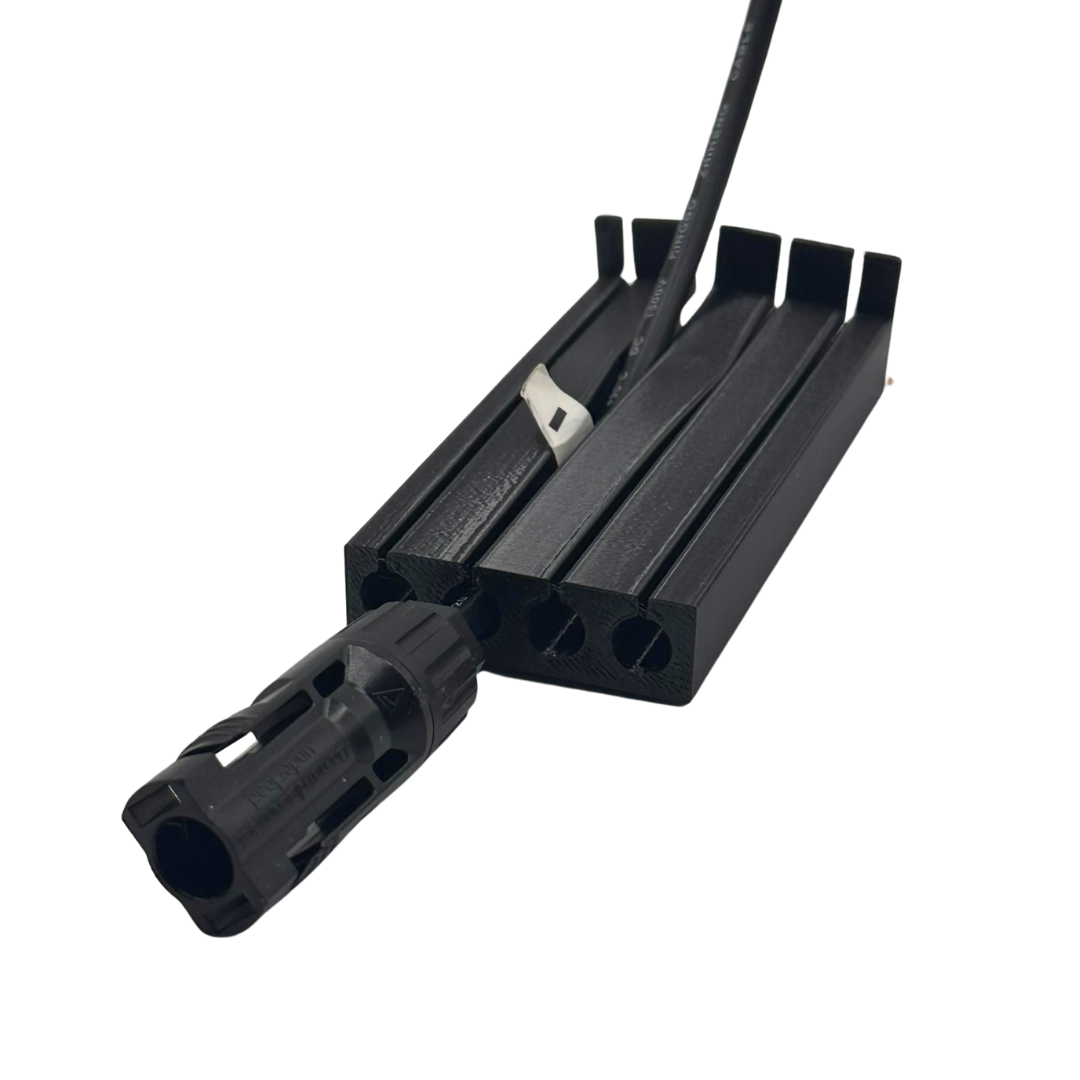
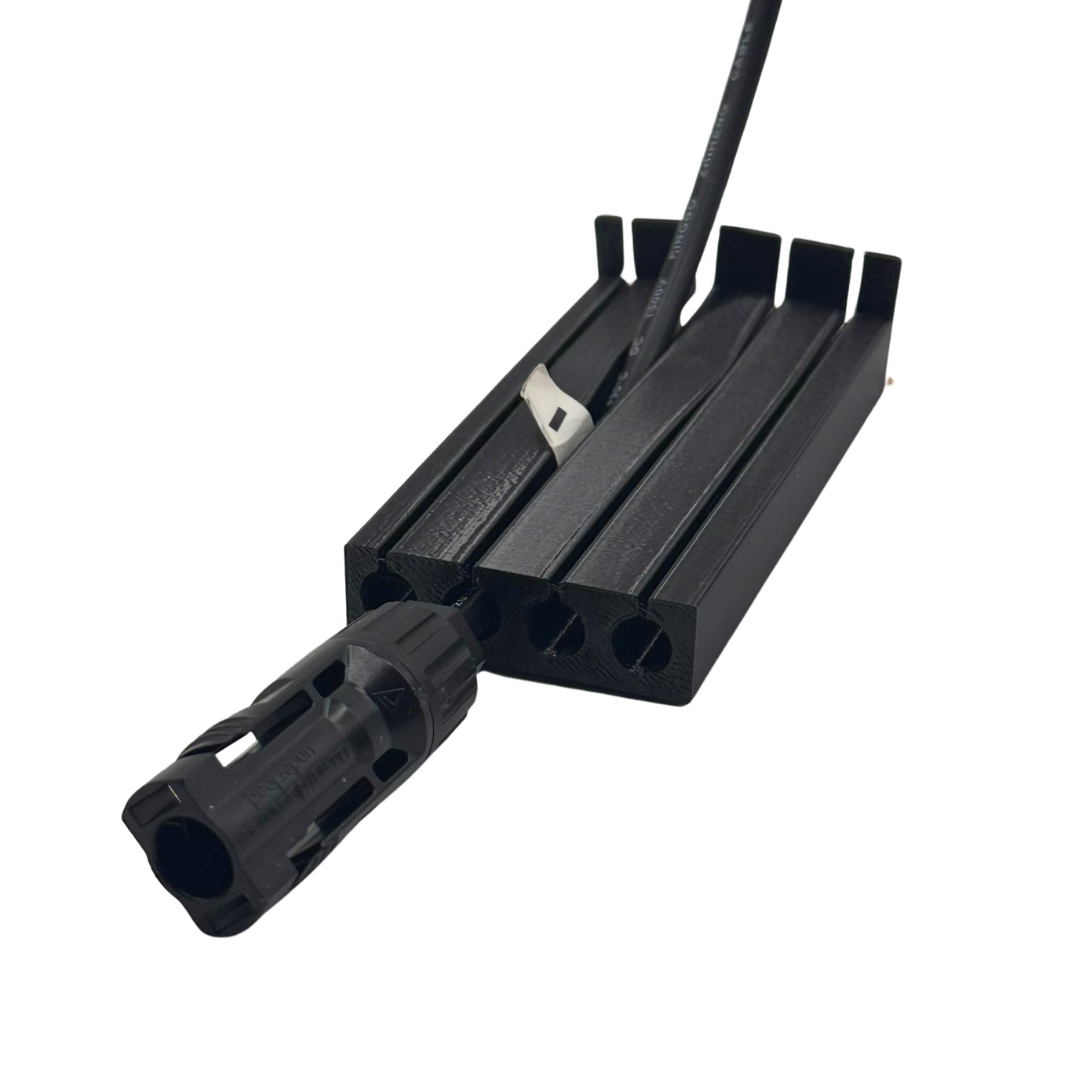
Moderne Dachdurchführungen wie die von NEXCAPE sind speziell für die Photovoltaik-Installation konzipiert. Sie bestehen aus TPU (Thermoplastisches Polyurethan) und werden im 3D-Druckverfahren in Deutschland gefertigt.
- Mehrere Kabel in einer Durchführung (2, 4 oder 6 PV-Kabel)
- Kein MC4-Ausbau nötig – Stecker bleiben montiert
- Werkzeuglose Montage direkt auf dem Ziegel
- UV-beständig und dauerhaft flexibel
- Optionale PE-Variante für den Potentialausgleich
Direktvergleich in der Praxis
| Kriterium | Dichtungsmanschette | NEXCAPE Dachdurchführung |
| Montagezeit pro Durchführung | 15–25 Minuten | 2–5 Minuten |
| MC4-Demontage nötig | Ja | Nein |
| Werkzeug erforderlich | Ja (Bohrer, Cutter) | Nein |
| Kabel pro Durchführung | 1 | 2, 4 oder 6 |
| Erdungskabel (PE) | Separate Lösung nötig | Integriert (PE-Variante) |
| Material | EPDM/Silikon | TPU |
| UV-Beständigkeit | Mittel | Hoch |
Kostenvergleich: Anschaffung vs. Arbeitszeit
Auf den ersten Blick erscheint die Dichtungsmanschette günstiger. Rechnet man jedoch die Arbeitszeit für MC4-Demontage, Ziegelbearbeitung und Montage ein, verschiebt sich das Bild deutlich. Gerade bei Anlagen mit mehreren Strings spart die PV-spezifische Durchführung erheblich Zeit – und damit Geld.
Fazit: Für PV-Profis führt kein Weg an der Speziallösung vorbei
Dichtungsmanschetten haben ihre Berechtigung im Sanitärbereich. Für die professionelle PV-Installation bieten spezialisierte Dachdurchführungen aus TPU jedoch klare Vorteile in Geschwindigkeit, Sicherheit und Langlebigkeit.
Überzeugen Sie sich selbst: passende PV-Dachdurchführung finden