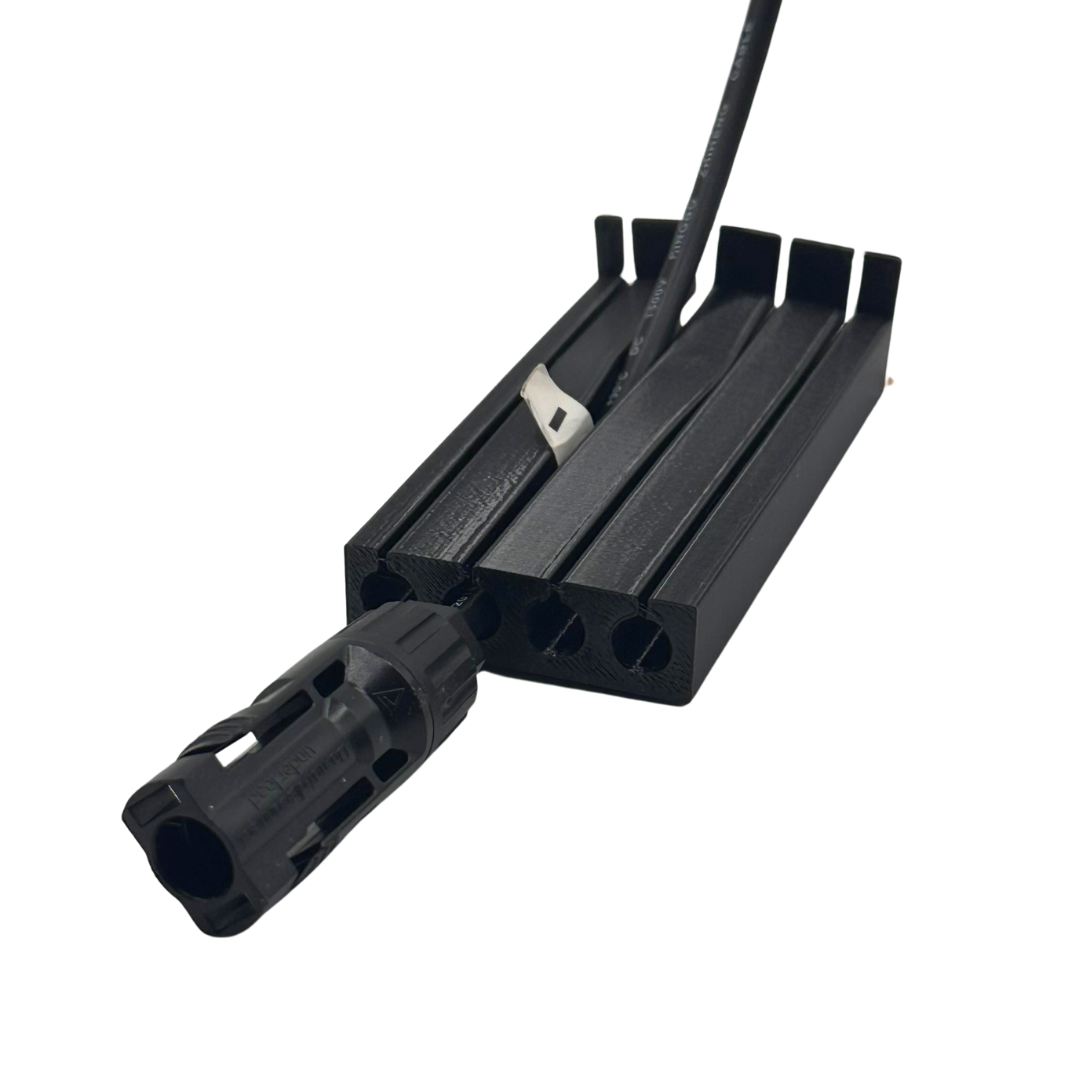
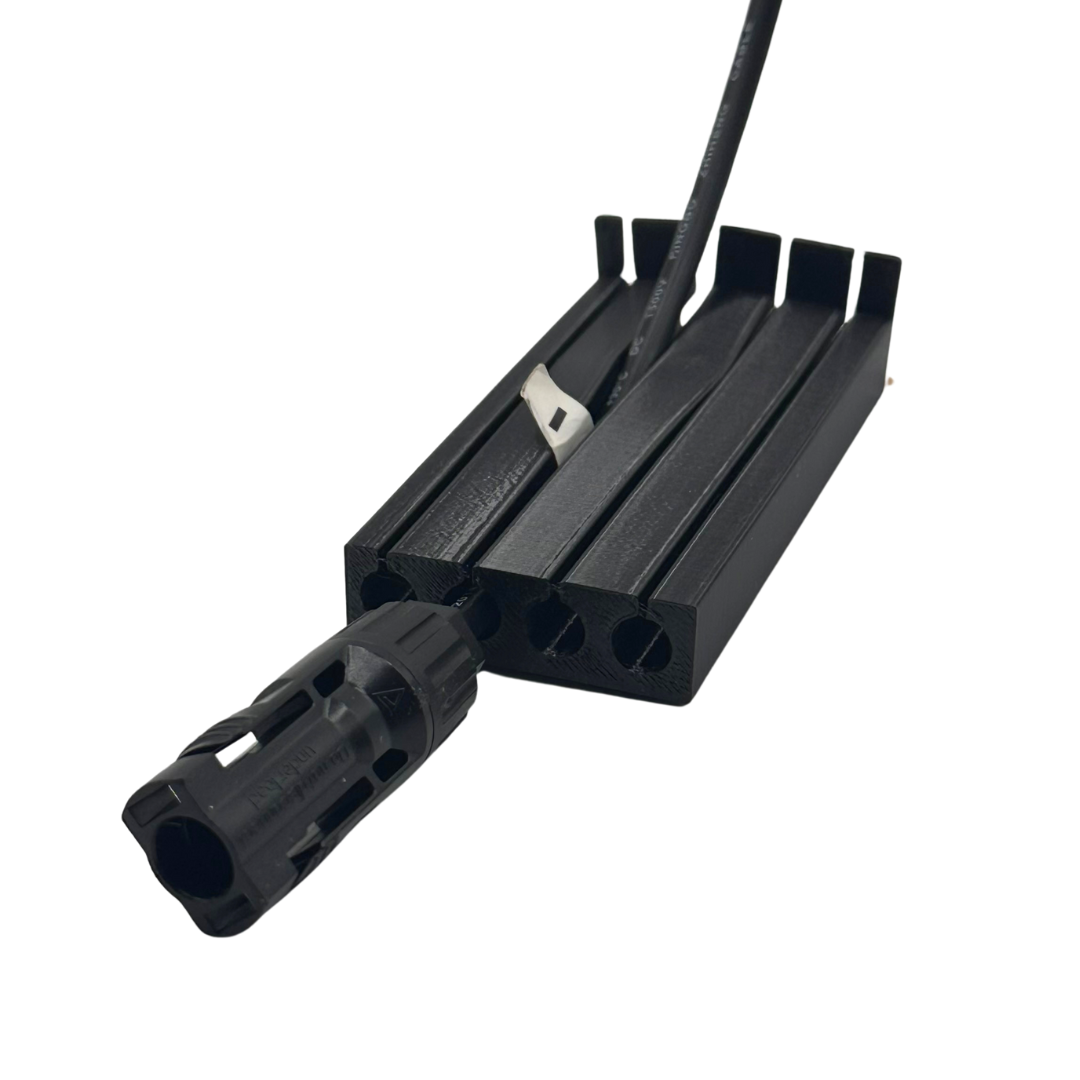
Thermoplastisches Polyurethan: Warum TPU auf dem Dach überzeugt
Die Materialwahl entscheidet über die Langlebigkeit einer Dachdurchführung. Während viele Hersteller auf EPDM, Blei oder starre Kunststoffe setzen, hat sich TPU (Thermoplastisches Polyurethan) als überlegene Alternative etabliert. Doch was macht diesen Werkstoff so besonders?
Was ist TPU?
TPU gehört zur Familie der thermoplastischen Elastomere. Es kombiniert die Elastizität von Gummi mit der Verarbeitbarkeit von Thermoplasten. Das Material lässt sich im 3D-Druck verarbeiten und behält dabei seine hervorragenden mechanischen Eigenschaften.
Eigenschaften im Vergleich
| Eigenschaft | TPU | EPDM | Blei |
|---|---|---|---|
| UV-Beständigkeit | Sehr hoch | Mittel | Hoch |
| Elastizität | Dauerhaft | Nachlassend | Keine |
| Gewicht | Gering | Gering | Hoch |
| Umweltverträglichkeit | Hoch | Mittel | Gering |
| Temperaturbereich | -40 bis +120 °C | -40 bis +80 °C | Eingeschränkt |
| 3D-Druck geeignet | Ja | Nein | Nein |
Vorteile für Dachdurchführungen
- Dauerhafte Elastizität: TPU bleibt elastisch und passt sich der Ziegelkontur an, auch nach Jahren.
- Kein Materialermüdung: Anders als EPDM verhärtet TPU nicht durch UV-Einwirkung.
- Umweltfreundlich: Im Gegensatz zu Bleidurchführungen ist TPU frei von Schwermetallen.
- Leichtgewicht: Einfache Handhabung auf dem Dach, kein unnötiges Zusatzgewicht.
3D-Druck: Fertigung der Zukunft
NEXCAPE setzt auf additive Fertigung in Deutschland. Der 3D-Druck erlaubt präzise Geometrien, die im Spritzguss nicht wirtschaftlich umsetzbar wären. Jede Durchführung wird so gefertigt, dass die Kabelöffnungen optimal dimensioniert sind, von der 2-PV-Variante bis zur 6 PV+PE.
Verfügbare Konfigurationen
Die Durchführungen gibt es in den Varianten 2 PV, 2 PV+PE, 4 PV, 4 PV+PE, 6 PV und 6 PV+PE. Die PE-Varianten bieten eine zusätzliche Öffnung für das Erdungskabel. Alle Varianten sind in 105 mm, 125 mm und 150 mm Länge erhältlich.
TPU-Qualität Made in Germany erleben: Dachdurchführungen für Solarkabel (105/125/150 mm)