Fehlersuche bei PV-Anlagen: Die Durchführung als Fehlerquelle
Wenn eine Photovoltaikanlage nicht die erwartete Leistung bringt, suchen Techniker zunächst bei Modulen, Wechselrichter oder Verschattung. Doch ein oft übersehener Problembereich ist die Dachdurchführung. Hier können subtile Defekte den gesamten Anlagenertrag beeinträchtigen.
Typische Fehlerbilder an Dachdurchführungen
- Wassereinbruch: Undichte Durchführungen lassen Feuchtigkeit an die Kabel, was zu Korrosion an den Kontakten führt.
- Kabelquetschung: Zu enge oder starre Durchführungen beschädigen die Kabelisolierung schleichend.
- Erhöhter Übergangswiderstand: Feuchtigkeit an MC4-Verbindungen direkt an der Durchführung erhöht den Widerstand und senkt den Ertrag.
- Erdschluss: Beschädigte Isolierungen können bei Nässe zu Erdschlüssen führen, die den Wechselrichter abschalten.
Diagnose: So finden Sie das Problem
Bei Ertragseinbußen prüfen Sie folgende Punkte an der Dachdurchführung:
- Sichtbare Risse oder Verfärbungen am Durchführungsmaterial
- Feuchtigkeitsspuren unterhalb der Durchführung im Dachraum
- String-Spannungsmessungen, die auf Übergangswiderstand hinweisen
- Thermografie-Aufnahmen, die Hotspots an der Durchführungsstelle zeigen
Lösung: Tausch gegen hochwertige Durchführungen
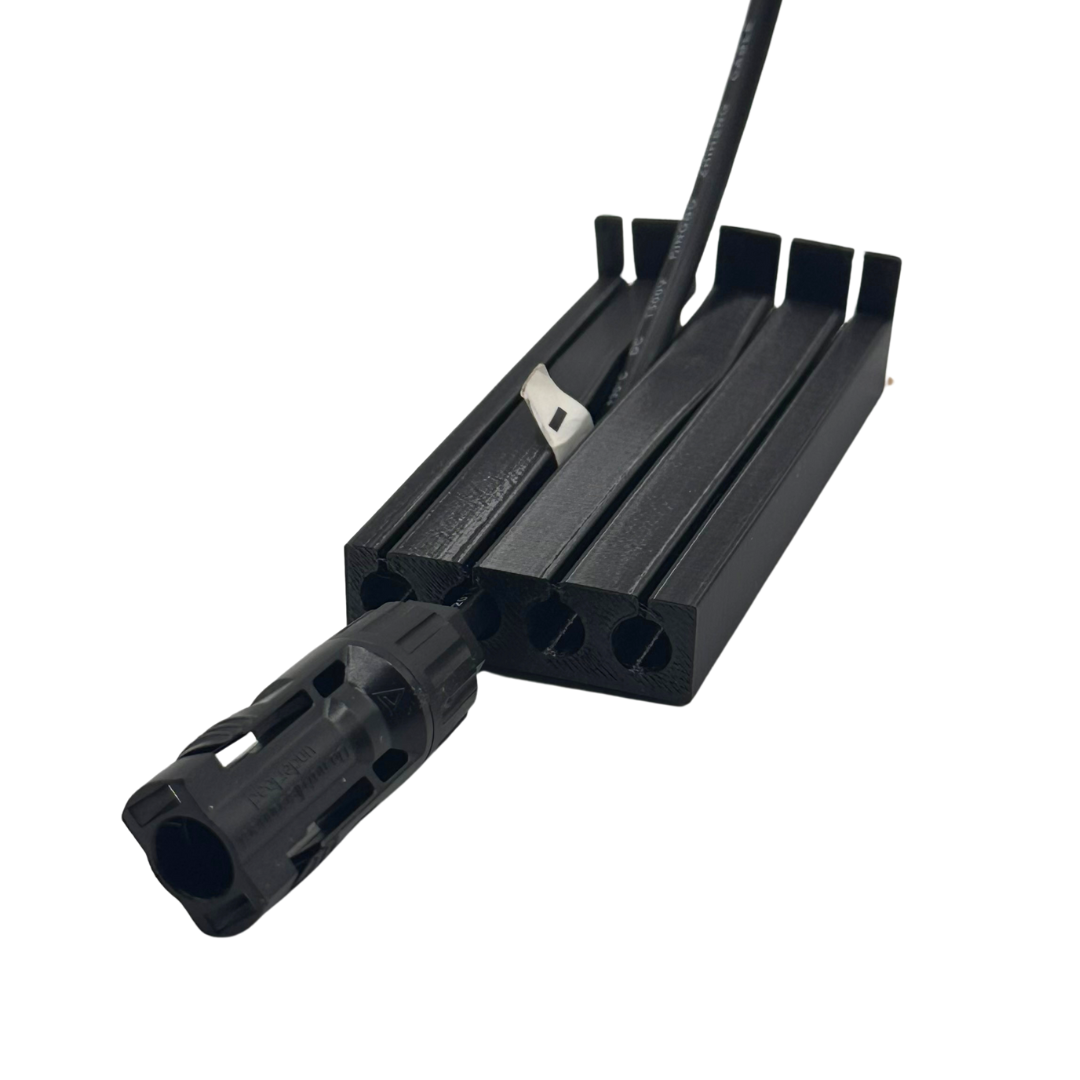
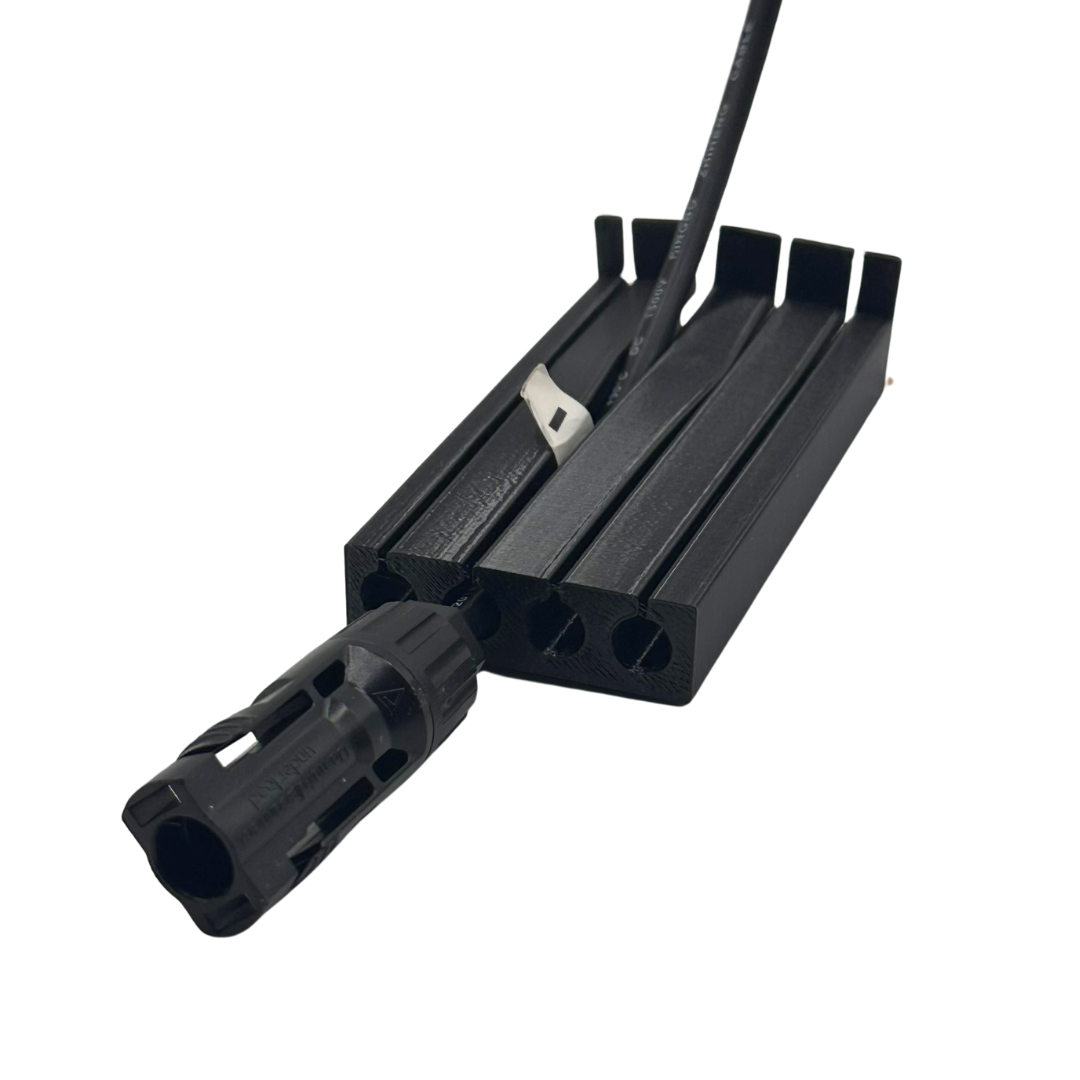
Defekte Durchführungen sollten zeitnah ersetzt werden. Die NEXCAPE Dachdurchführungen aus TPU (Thermoplastisches Polyurethan) beseitigen die häufigsten Fehlerursachen: Das flexible Material dichtet dauerhaft ab, die großzügigen Kabelöffnungen verhindern Quetschungen und die UV-Beständigkeit sorgt für jahrelange Zuverlässigkeit.
Prävention statt Reparatur
Der beste Fehler ist der, der gar nicht erst auftritt. Wer von Anfang an auf qualitative Durchführungen setzt, vermeidet spätere Fehlersuchen. NEXCAPE bietet Varianten von 2 PV bis 6 PV+PE in den Längen 105 mm, 125 mm und 150 mm. Die werkzeuglose Montage ohne MC4-Ausbau minimiert zudem Installationsfehler.
Fehlerquellen eliminieren: PV-Kabel-Dachdurchführungen im Shop