Photovoltaik-Installation bei niedrigen Temperaturen
Die Nachfrage nach PV-Anlagen kennt keine Winterpause. Immer mehr Hauseigentümer wollen auch in den kalten Monaten ihre Anlage installiert bekommen. Für Solarteure bedeutet das: Montage bei Frost, Nässe und kurzen Tagen. Wer einige Grundregeln beachtet, arbeitet auch im Winter sicher und effizient.
Sicherheit auf dem Dach bei Frost und Nässe
Glatte Ziegel, vereiste Leitern und eingeschränkte Sicht sind die größten Risiken bei der Wintermontage. Folgende Maßnahmen sind unverzichtbar:
- Rutschfeste Schuhe mit Profilsohle tragen
- Absturzsicherung konsequent nutzen – auch bei Flachdächern
- Arbeitsbereiche von Schnee und Eis befreien, bevor Material aufs Dach kommt
- Tageslicht optimal nutzen und Arbeitszeiten entsprechend planen
Materialverhalten bei Kälte: Warum TPU die bessere Wahl ist
Viele Dichtungslösungen werden bei niedrigen Temperaturen spröde und verlieren ihre Flexibilität. Dachdurchführungen aus TPU (Thermoplastisches Polyurethan) behalten auch bei Minusgraden ihre Elastizität. Das ist ein entscheidender Vorteil gegenüber herkömmlichen Materialien.
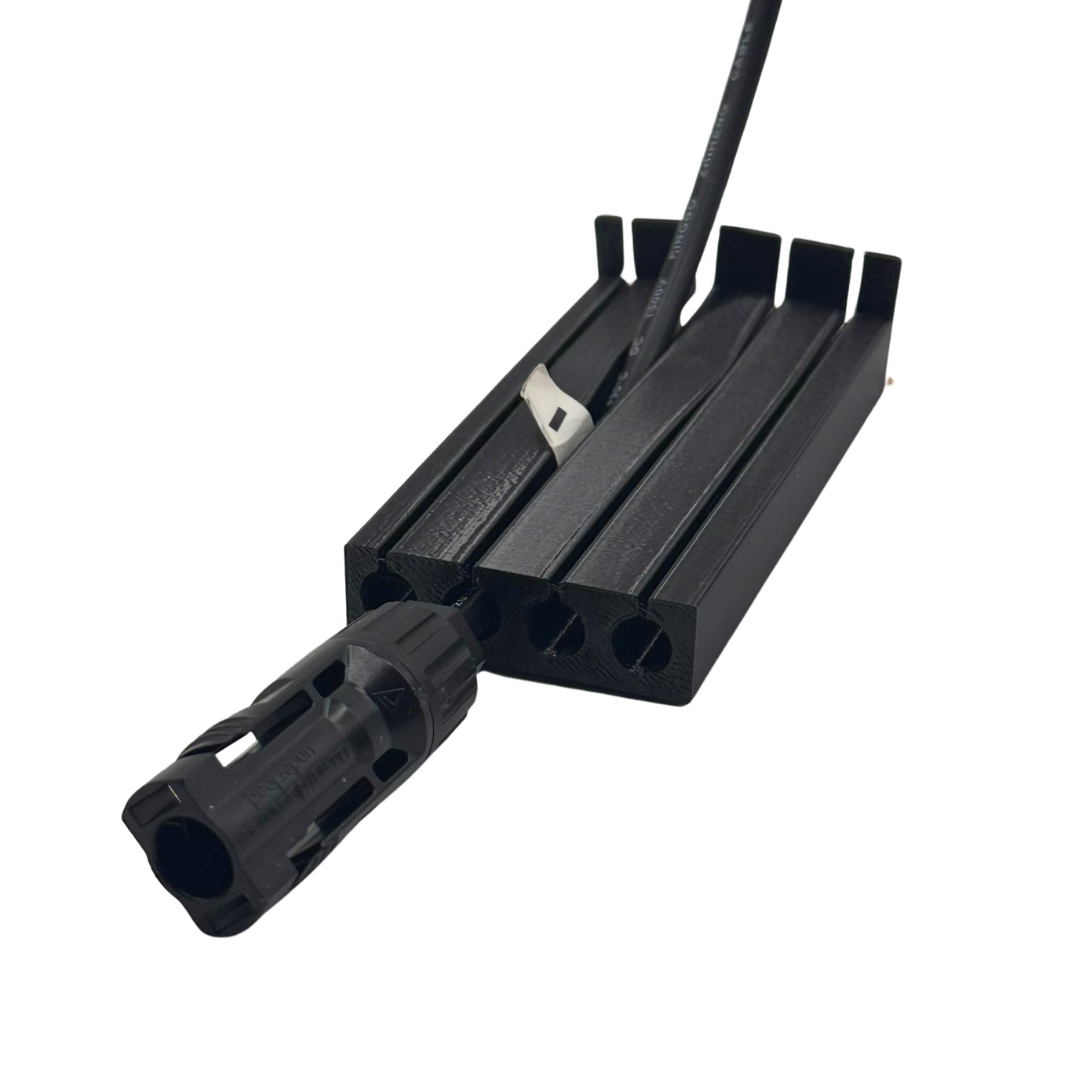
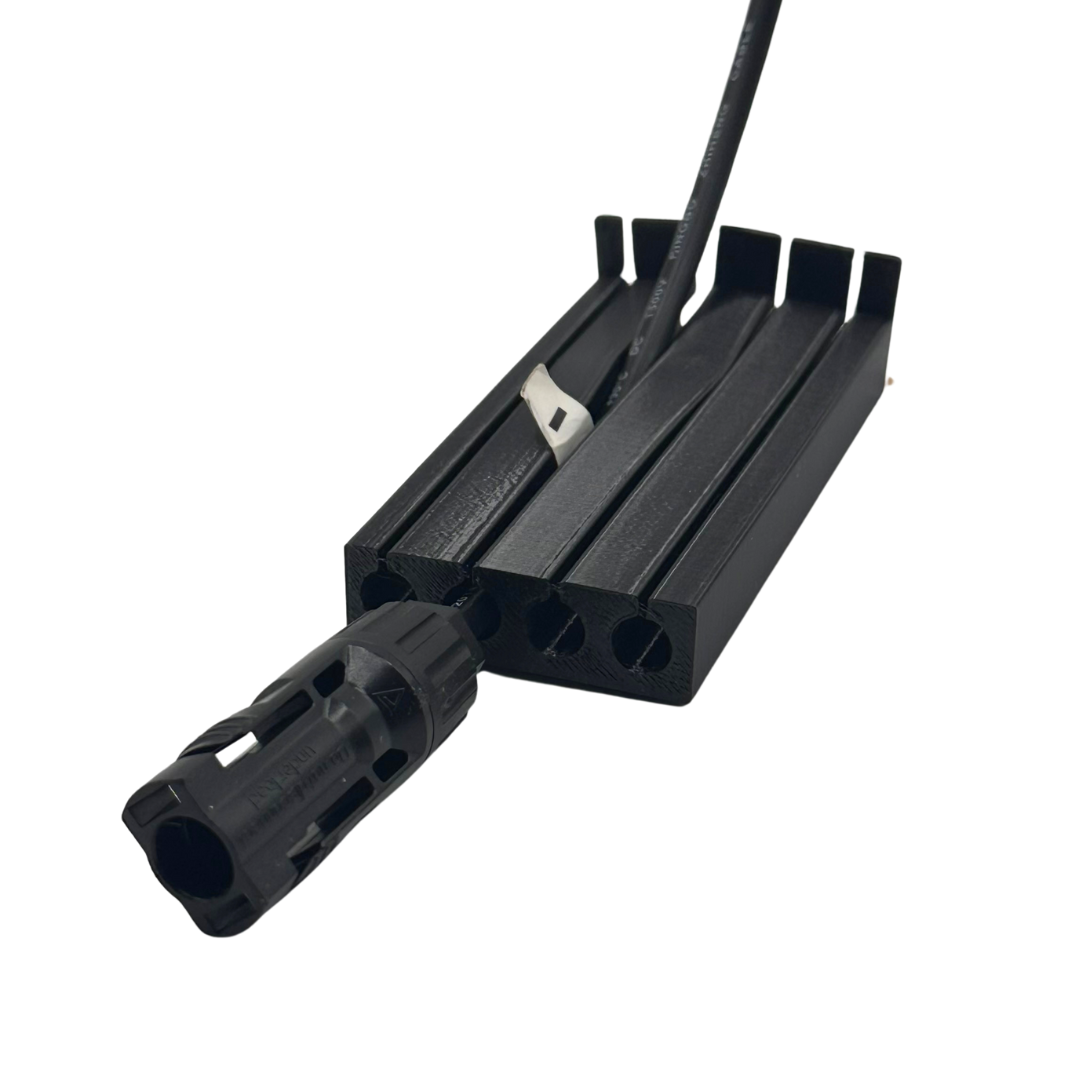
Die NEXCAPE Dachdurchführungen werden im 3D-Druckverfahren in Deutschland gefertigt. TPU bleibt auch bei Temperaturen unter dem Gefrierpunkt flexibel genug für eine saubere Montage. Das Material passt sich der Ziegelform an und sorgt für einen dauerhaften, scheuerfreien Sitz des Solarkabels – unabhängig von der Jahreszeit.
Vorteile von TPU bei Wintermontage
| Eigenschaft | TPU | Herkömmliche Materialien |
| Flexibilität bei Kälte | Bleibt elastisch | Wird spröde |
| Montage ohne Werkzeug | Ja | Oft nicht möglich |
| UV-Beständigkeit | Hoch | Variiert |
Kabeldurchführung im Winter: Häufige Fehler
Gerade bei Kälte neigen Monteure dazu, Arbeitsschritte zu beschleunigen. Bei der Kabeldurchführung sollte man jedoch sorgfältig arbeiten:
- MC4-Stecker nicht demontieren: Bei NEXCAPE Dachdurchführungen ist kein Ausbau der MC4-Stecker nötig. Das spart Zeit und vermeidet Fehler an kalten Fingern.
- Kabel nicht knicken: Solarkabel werden bei Kälte steifer. Biegeradien großzügig planen.
- Feuchtigkeit beachten: Kondenswasser auf Kabeln kann bei Frost zu Problemen führen. Die Durchführung sauber zwischen die Ziegel legen, damit die Dacheindeckung weiterhin zuverlässig vor Niederschlag schützt.
Planung ist alles: Winterbaustellen effizient organisieren
Wer im Winter PV-Anlagen montiert, sollte die Logistik besonders gut vorbereiten. Alle Komponenten inklusive Dachdurchführungen sollten griffbereit sein, bevor es aufs Dach geht. NEXCAPE bietet Varianten für 2, 4 und 6 PV-Kabel – jeweils mit und ohne Erdungskabel (PE) – in den Längen 105 mm, 125 mm und 150 mm. So lässt sich für jede Dachsituation die passende Durchführung vorkommissionieren.
Fazit: Winter ist kein Grund für Kompromisse
Mit der richtigen Vorbereitung und hochwertigen Materialien gelingt die PV-Montage auch in der kalten Jahreszeit. Dachdurchführungen aus TPU sind dabei ein wichtiger Baustein für eine zuverlässige Installation.
Jetzt NEXCAPE Dachdurchführungen entdecken und für die nächste Winterbaustelle vorsorgen: zu den TPU-Dachdurchführungen für Solarkabel