PV-Kabeldurchführung bei Schnee und Eis: Winterfeste Montage
Der Winter stellt Dachdurchführungen vor extreme Anforderungen. Schneedruck, Eisbildung und Frost-Tau-Wechsel setzen minderwertigem Material schnell zu. Wer im Sommer installiert, muss an den Winter denken.
Winterliche Belastungen für Dachdurchführungen
- Schneedruck: Bei starkem Schneefall lasten mehrere hundert Kilogramm pro Quadratmeter auf dem Dach. Die Durchführung muss diesem Druck standhalten.
- Eisbildung: Schmelzwasser kann an der Durchführung gefrieren und das Material mechanisch belasten.
- Frost-Tau-Wechsel: Wiederholtes Gefrieren und Auftauen sprengt starre Materialien auf.
- Eisschieben: Abrutschende Schneemassen können schlecht befestigte Durchführungen verschieben.
Warum TPU der Winter nichts ausmacht
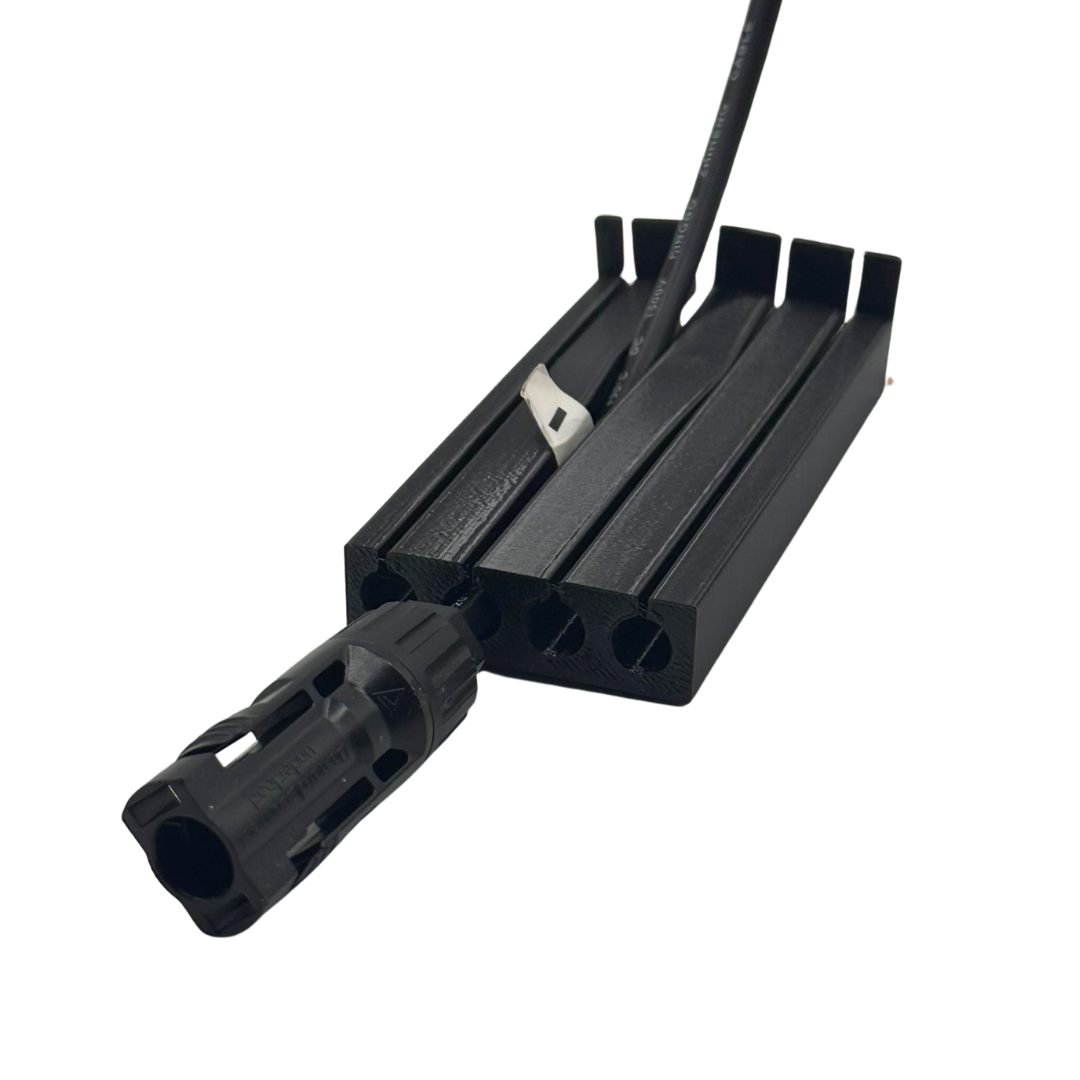
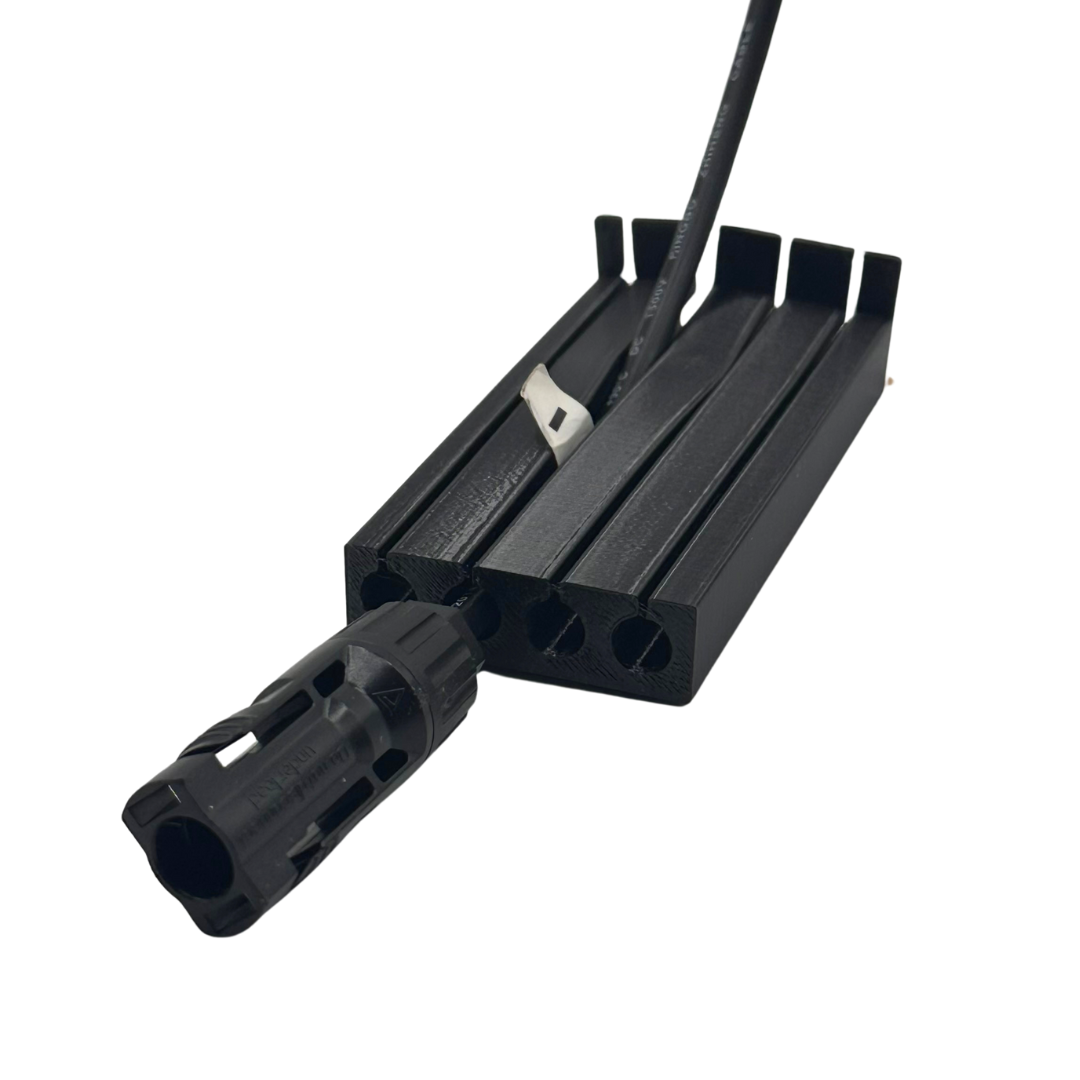
NEXCAPE Dachdurchführungen bestehen aus TPU (Thermoplastisches Polyurethan). Dieses Material behält seine Elastizität auch bei Temperaturen weit unter dem Gefrierpunkt. Während starre Kunststoffe bei Kälte spröde werden und brechen können, bleibt TPU flexibel und dichtet weiterhin zuverlässig ab.
Montagehinweise für die kalte Jahreszeit
Auch die beste Durchführung funktioniert nur bei korrekter Montage. Beachten Sie im Winter:
- Dachziegel vor der Montage von Schnee und Eis befreien
- Durchführung trocken einsetzen, kein stehendes Wasser in der Montageöffnung
- Kabelschlaufen so legen, dass Schmelzwasser abfließen kann
- Position unterhalb von Schneefangsystemen wählen, wenn möglich
Eisfreie Kabelführung
Ein unterschätztes Risiko: Wasser, das in die Durchführung eindringt, gefriert dort und drückt das Kabel zusammen. Die NEXCAPE Durchführungen mit ihren eng anliegenden, aber flexiblen TPU-Öffnungen verhindern den Wassereintritt und damit die Eisbildung im Inneren.
Ganzjahres-Lösung in allen Varianten
Von 2 PV bis 6 PV+PE, in den Längen 105 mm, 125 mm und 150 mm: NEXCAPE bietet die passende Durchführung für jede Dachkonfiguration. Gefertigt per 3D-Druck in Deutschland, werkzeuglos montierbar und ohne MC4-Ausbau. Auch bei Minusgraden bleibt die Montage einfach.
Winterfeste Durchführungen sichern: PV-Kabel-Dachdurchführungen im Shop